



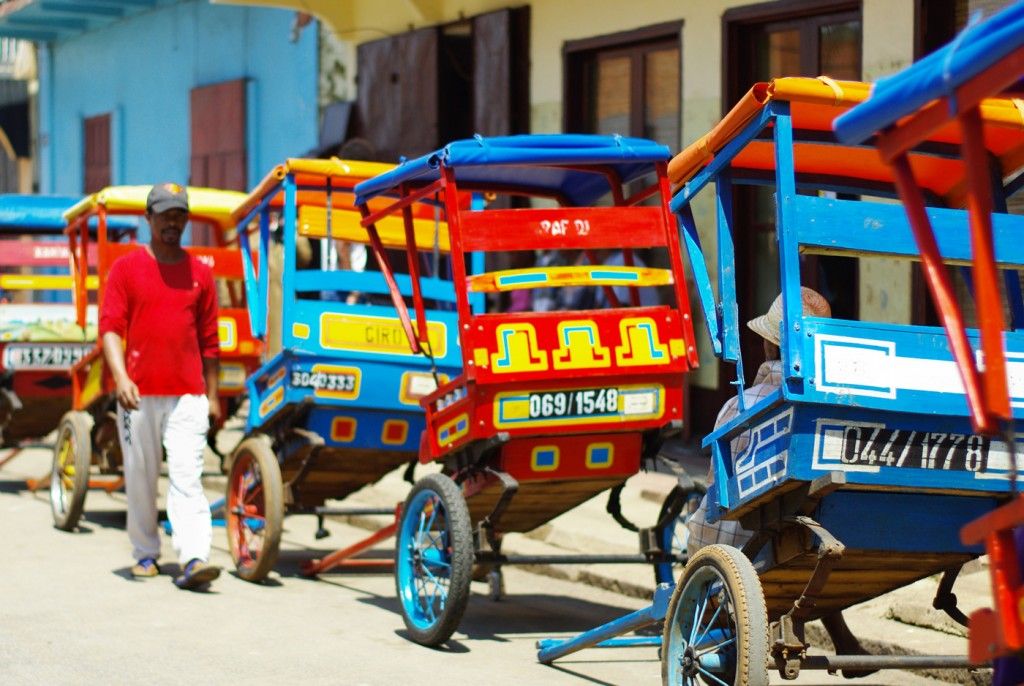
As soon as you arrive in Madagascar, it comes to your mind to know: what are the most typical means of transport in this remote island. At first glance, if you land from the airport of the capital, nothing suggests such means as when you interfere in the small districts of the city of miles.
On good mornings, you will still see the last horse carts and otherwise apart from the hundreds of handcarts that help transport the goods to the markets, you will see the presence of these small vehicles pulled by men. They are usually crowded with goods but originally they were used to transport dignitaries and nobles from the capital.
With the arrival of European missionaries on the island, we saw the appearance of means of transport quite unique for the time. And if the nobles of the capital used the sedan chair to move from one place to another, this mode of transport saw a transformation with the arrival of the missionaries because, to facilitate transport and reduce the number of people intended to lift these heavy stretchers, they simply decided to fix a single wheel in the central position. But although this new vehicle was certainly lighter and required fewer people, it became difficult to maneuver. It was then that they thought of adapting the same system as the Indian and Chinese rickshaws which were, moreover, already established on the east coast of the island but had not spread to the heights.
So we created the rickshaw. This vehicle which looked a lot like a rickshaw but of a more modest size and which could move quite easily in the alleys of the capital during the end of the 19th century until, still, today.
Its name does not come from the sedan chair despite having it as an origin but simply from the fact that in the Tananarivian alleys, the passenger, generally, foreign missionaries, said to the one who had to help to push in the climbs: push, push! And from there comes this famous word still used until today: Pousse-pousse which is therefore the offshoot of two ancient means of locomotion, the "filanzane" or sedan chair and the rickshaw.
9 November 2020
0 comment

Comment (0)