



Wealth and traditions of Madagascar: the June solstice, a sacred period between heritage and ancestral celebrations
The wealth and traditions of Madagascar take on a particular dimension as the June solstice approaches. Each year, when the southern winter sets in on the Big Island and the days reach their shortest length, many Malagasy communities enter a period marked by family gatherings, traditional ceremonies and the strengthening of links between generations.
The June solstice, which generally occurs around June 21, is much more than just an astronomical phenomenon in Madagascar. It symbolically marks the start of a season favorable to several major cultural events which have punctuated the lives of populations for centuries. This period of cool and dry weather facilitates travel and large family gatherings, thus creating ideal conditions for the organization of traditional ceremonies.
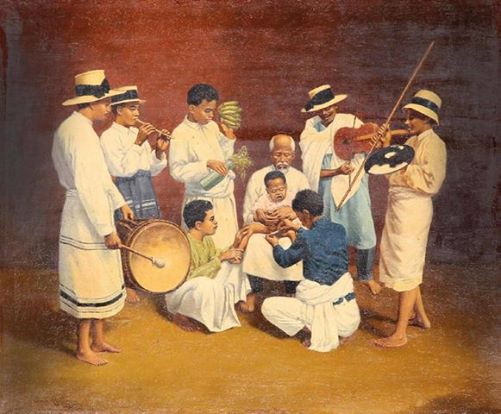
Among the most emblematic events is traditional circumcision, called “famorana” in several regions of Madagascar. This ceremony represents an essential stage in the lives of young boys. Beyond the act itself, it constitutes a real rite of passage towards adulthood. Families sometimes gather for several days to celebrate this event through community meals, songs, dances and rituals passed down from generation to generation. The ancestors occupy a central place, recalling the importance of family continuity in Malagasy culture.
The June solstice also corresponds to the beginning of famadihana season in parts of the Highlands. Often translated as “turning of the dead”, the famadihana is a unique ceremony in the world during which families open ancestral tombs in order to honor their deceased. The remains of ancestors are wrapped in new shrouds, accompanied by prayers, traditional music and moments of sharing that strengthen family ties. Far from being a sad event, this celebration testifies to the deep respect shown to the ancestors and the conviction that they continue to accompany the living.
This period perfectly illustrates the richness and traditions of Madagascar, where the link between the living, ancestors and nature remains deeply anchored in society. The values of solidarity, respect for elders and cultural transmission are fully expressed through these ceremonies which also attract the interest of many travelers in search of authenticity.
For visitors wishing to discover Madagascar from a cultural perspective, the start of the southern winter offers an exceptional opportunity to observe traditions that are still alive. Of course, these ceremonies remain above all family and community events which deserve to be approached with respect and discretion. They nevertheless allow us to better understand the deep identity of the Malagasy people and the fundamental place occupied by ancestral customs in daily life.
The wealth and traditions of Madagascar are revealed with particular intensity at the time of the June solstice. Between initiation rites, family celebrations and homage to ancestors, this period reminds us that Madagascar is not limited to its exceptional landscapes and its unique biodiversity. The Big Island is also a land of memory, transmission and living traditions which continue to shape its cultural identity over the generations.

An article which recalls an essential truth: Madagascar can only be truly understood by knowing the central place of ancestors in daily life. The link between the June solstice and major ceremonies like the famadihana or the famorana is well seen; it is indeed a pivotal period in the Malagasy cultural calendar. A little curiosity for travelers who would like to witness them: is it possible to attend these ceremonies, and under what conditions? This would be a great follow-up to this article.