from 0 review
6 days – 6 nights
Daily Tour
Unlimited
English, French
Antananarivo - Antsirabe - Ranomafana - Ambalavao - Ranohira - Toliara
Note: Price for information only

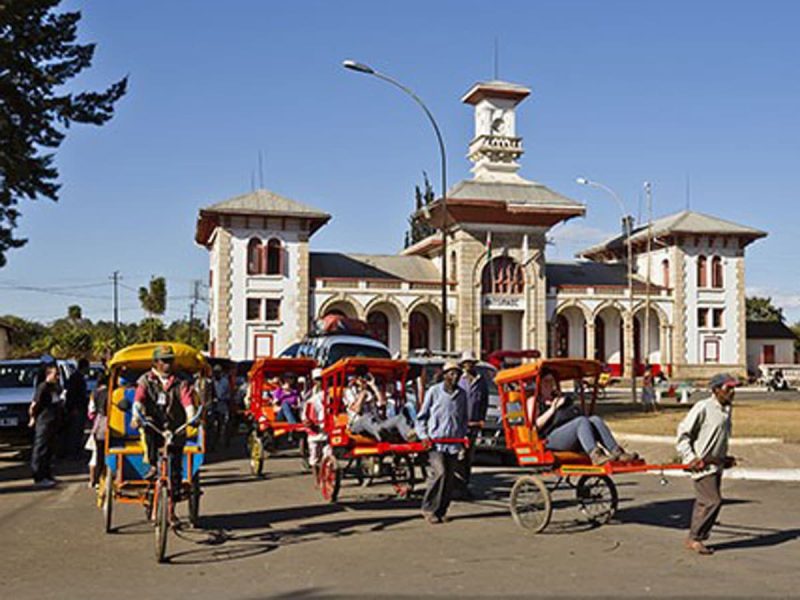
Departure from the capital. Visit to the recycling artisan village in Ambatolampy, discovery of a traditional village. Continuation to Antsirabe, rickshaw ride and visit to multiple workshops. Hotel**. A tradition coming from colonization, foundry work is an activity that is important in almost all homes on the island. From simple households to modern homes, every home has at least one of the cooking pots that are made in this central highland locality. With the advent of industrial iron, aluminum replaced this difficult-to-work metal. A collection of old aluminum from various homes in the cities and that's it. All that remains is to work on it with the means at hand, as we usually say.
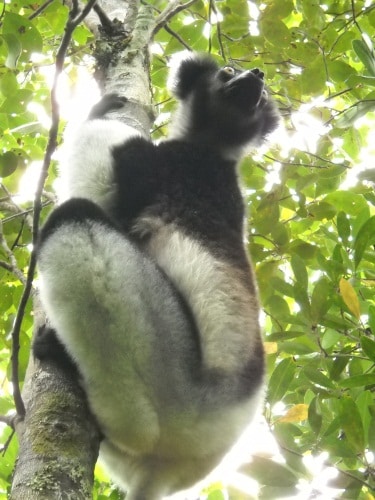
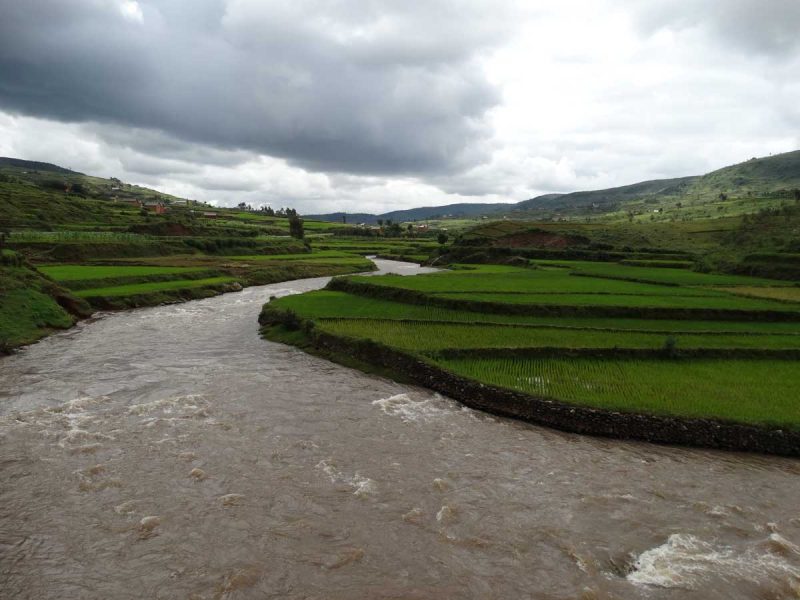
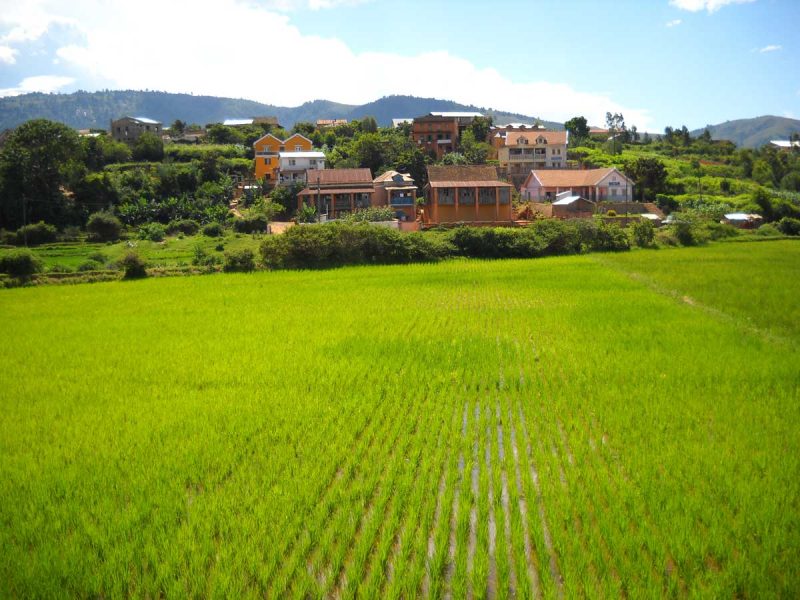
Stop for photos, rice terraces and traditional villages of the Highlands. Stopover in Ambositra, visit to sculpture workshops. Continuation to Ranomafana. Night tour of the Eastern Rainforest. Hotel**. Lemurs are part of the large primate family and are definitely the most famous tenants of the forests of the Red Island. The Ranomafana National Park is one of the most beautiful sites in Madagascar in terms of biodiversity, moreover this reserve is currently classified by UNESCO as a world heritage site for the conservation of biodiversity.
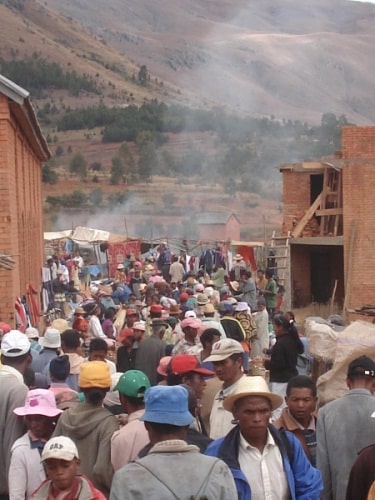
Discovery of the humid forest and continuation to Ambalavao. Passage through Fianarantsoa, walking tour of the old town. Discovery of daily life in a highland farming village. Arrival in Ambalavao at the end of the day. Hotel**. The life of a country is most often summed up in traditional markets. In Ambalavao life is very lively, in color, in smell, an atmosphere completely different from big cities such as Fianarantsoa or Antananarivo. Here time is measured in color and smiles. A meeting place and also a place of novelty, it is here that young people discover themselves for their future.

Visit to Ambalavao and its local market, paper and silk artisans. Continue south. Stop at a Reserve to observe the “maki”. Continue to Ranohira. Passage through the Ihorombe plateau. Hotel ***. In this country where the population is mainly confined to large cities, there are places where time rhymes with spaces. Large expanses still wild, certainly devoid of animals but very rich in shows. Here the rock has eroded for thousands of years and continues to change shape to give rise to a setting worthy of great western films. Isalo National Park is worth a visit as it is a unique biosphere in this arid southern landscape.
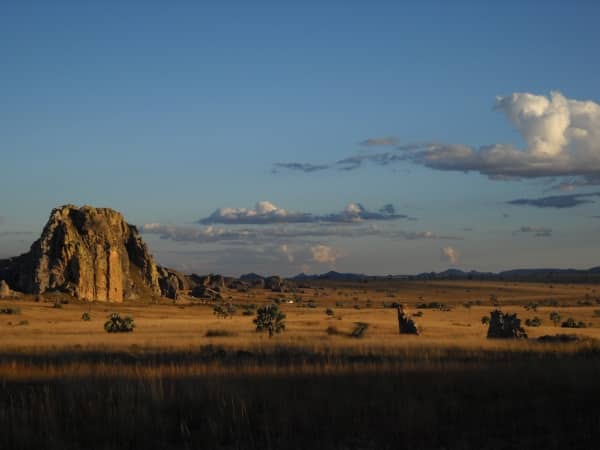
A day of discovery of this extraordinary massif. Return to the hotel mid-afternoon. Hotel***. Isalo National Park is the second largest park on the island. With an area of 81,540 ha, this area, located on the Ihorombe plateau, is considered to be the home of life in this arid landscape. This mountain range is also the water reservoir for this part of the island. Emerging from the depths of the earth a few million years ago, this massif is a unique biotope.
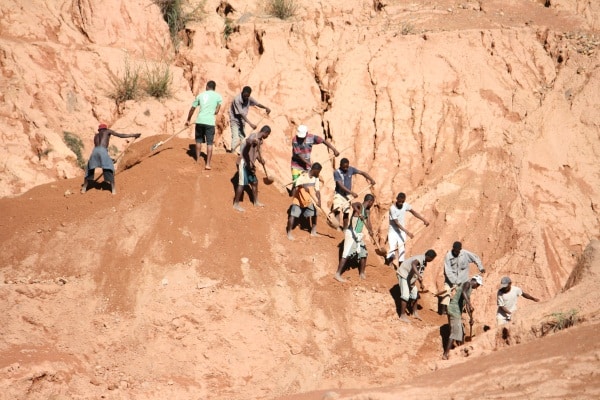
Departure towards the South, visit the Sapphire Mines of Ilakaka, discovery of an artisanal rum factory. Stop at Antsokay to visit its Arboretum. Continuation for Toliara. Arrival in the middle of the afternoon, short tour of the city, passing through the small traditional port. Transfer to the hotel and installation. Hotel**. Currently estimated to be one of the largest open-air deposits in the world, the Ilakaka stone quarries attract a very cosmopolitan population from all walks of life. Discovered in 1998, the first sapphires attract so many people to this day. According to professionals, there are more blue sapphires found there than anywhere else in the world.